

You’ve probably heard that blockchain technology is secure, transparent and decentralized.. The real question is: how does blockchain actually work?
For beginners this is where things get confusing. Terms like nodes, blocks and consensus can feel technical. Once you break it down step by step it becomes very easy to understand blockchain.
In this guide we’ll explain how blockchain works in a way so you can clearly understand the blockchain process.
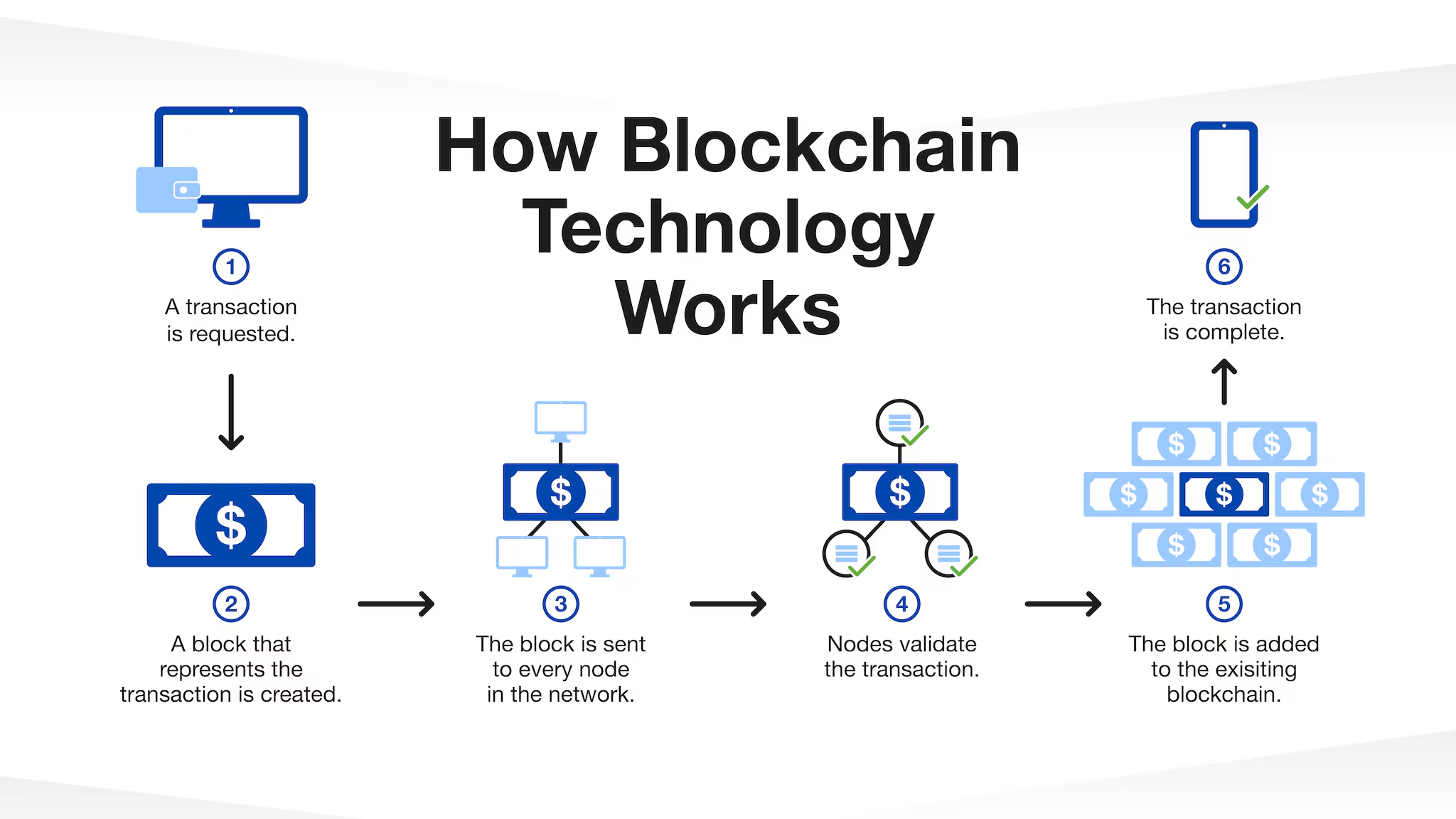
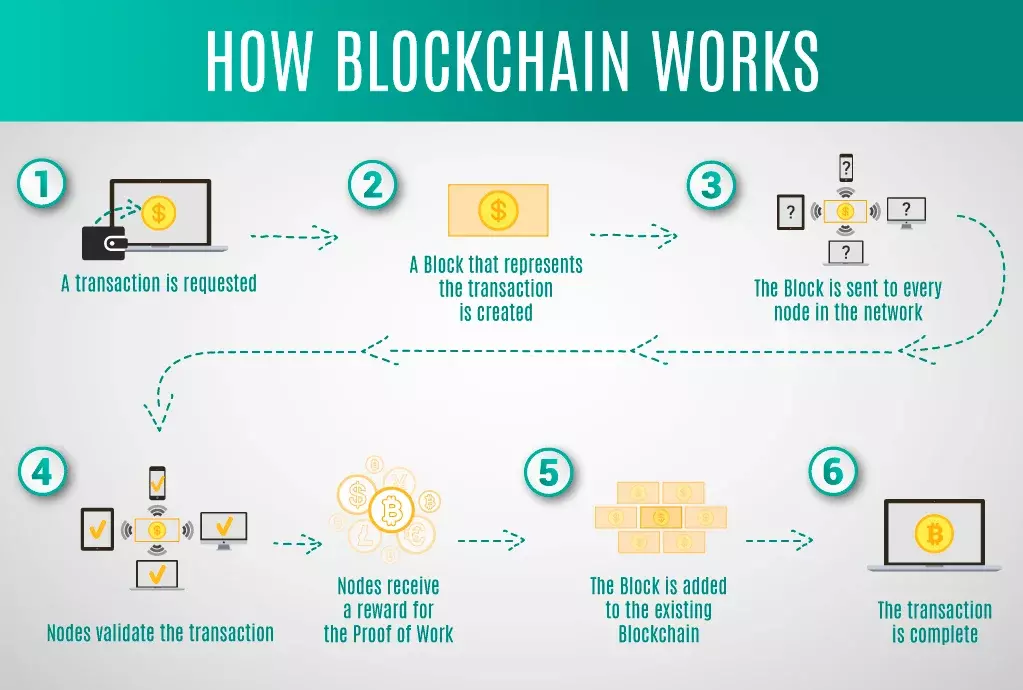
Step 1: A Transaction is Created
Everything on a blockchain technology starts with a transaction. A transaction could be sending cryptocurrency storing data or interacting with a contract.
For example if you send Bitcoin to someone that action becomes a transaction request. This transaction includes details like sender address, receiver address and amount.
Step 2: Transaction is Broadcast to the Network
Once a transaction is created it goes to a network of computers called nodes. These nodes are, like different computers.
The transaction is sent to them. They are part of the network. Nodes are systems that maintain a copy of the blockchain and help verify transactions.
Of relying on one central server blockchain technology uses multiple nodes, which makes the blockchain system decentralized.
Step 3: Transaction Verification
After the transaction reaches the network nodes begin verifying the transaction. The people in charge check to see if the sender has money. They make sure the transaction follows the rules of the network. They also check to see if the digital signature from the sender is valid. The digital signature is like a code that says the sender really did send the transaction. The people, in charge check all of these things to make sure the transaction is real and correct.
The verification process makes sure that no fake transactions or invalid transactions are added to the blockchain. This process is important, for the blockchain. The blockchain needs to be safe. The verification process helps to do that. The verification process looks at the transactions to make sure they are transactions before they are added to the blockchain. You can look at how transaction verification works on sites, like Blockchain.
Step 4: Transactions are Grouped into a Block
When people do things with money like send it or get some these actions are checked to make sure they are real. After that they are put together in a group called a block. A block has a list of these money actions the time it happened and a special code that is, for that block, which is called a hash. This hash is what makes each block unique. This block is like a page in a ledger.
Step 5: Block is Linked to the Previous Block
Now comes the important part. Each new block is connected to the block using its hash. This creates a chain of blocks which’s why it’s called blockchain.
If someone tries to change data in one block it would change its hash breaking the blockchain chain.
Step 6: Consensus Mechanism
Before adding the block to the chain the network must agree that it is valid. This process is called consensus. Different blockchains use methods for this.
Some use Proof of Work, where miners solve problems. Others use Proof of Stake. In this system validators are chosen based on how holdings they have.
Consensus is really important because it makes sure that all the nodes are on the page when it comes to the blockchain. The blockchain is what it is because all the nodes agree on its version. So basically consensus is what ensures that all nodes have the version of the blockchain. This is crucial, for the blockchain.
Step 7: Block is Added to the Blockchain
When the block is checked and everyone agrees it is okay it gets added to the blockchain. Now the transaction is finished. The blockchain has the block and the transaction is done. Becomes a permanent record.
This record cannot be easily. Deleted. This transaction is something that anyone can look at on the blockchains. The blockchains are really good, at keeping things honest and open. This means we can see what is going on with the blockchains. We have transparency because of the blockchains. The blockchains make it so we can trust what is happening with the blockchains.
Step 8: Transaction is Confirmed
After the block is added the transaction receives confirmations. Each new block added after it increases its security and reliability.
In cases multiple confirmations are required before considering a transaction fully complete. This process ensures accuracy. Prevents fraud.
Why This Blockchain Process is Secure
Blockchain’s security comes from its structure and process. Because data is stored across nodes there is no single point of failure.
Because blocks are linked together changing one block would require changing the blockchain chain. Because of consensus mechanisms no single user can control the blockchain system.
These factors make blockchain technology one of the secure systems for storing data.
Real-Life Example
Imagine you are sending money to a friend using blockchain. Of a bank processing the transaction a network of computers verifies it.
The transaction is recorded in a block added to a chain and confirmed by the network. No middleman is. The record is permanent.
This is how blockchain technology replaces systems.
Common Misunderstandings
Many beginners think blockchain transactions are instant. In reality they take time for verification and confirmation.
Some also believe blockchain is completely anonymous. Most networks are actually transparent.
Understanding these details helps you use blockchain technology effectively.
Blockchain may seem complex. When broken down step by step it becomes easy to understand blockchain. From creating a transaction to verifying it adding it to a block and confirming it every step is designed to ensure security and transparency.
Conclusion
By learning how blockchain works you build a foundation, for understanding cryptocurrency and other blockchain applications.
In terms blockchain works like a secure digital system where every transaction is verified, recorded and protected—and that’s what makes blockchain so powerful.
Also Check What is Blockchain Technology – Comprehensive Guide – 2026




Leave a Reply