
Introduction
Blockchain technology is often called revolutionary, and for good reason. It has introduced new ways to store data, transfer value, and build trust without relying on central authorities.
But like any technology, blockchain is not perfect. It has strong advantages, but also some real limitations that need to be understood.
If you’re serious about learning blockchain, it’s important to see both sides clearly. In this guide, we’ll explain the advantages and disadvantages of blockchain in a simple and human-friendly way.
Why Blockchain is Gaining Popularity
Before looking at pros and cons, let’s quickly understand why blockchain is getting so much attention.
Traditional systems rely on central authorities like banks or companies. Blockchain removes that dependency and replaces it with a decentralized network.
This shift is powerful because it changes how trust works in digital systems.
You can explore blockchain basics in more detail on Investopedia.
Advantages of Blockchain Technology
Blockchain offers several benefits that make it attractive across different industries.
One of the biggest advantages is security. Blockchain uses cryptography and a distributed network, making it very difficult for hackers to alter data.
Another major benefit is transparency. Transactions on public blockchains can be viewed by anyone, which builds trust among users.
Decentralization is also a key advantage. No single entity controls the system, which reduces the risk of corruption or manipulation.
Blockchain also improves efficiency. By removing intermediaries, transactions can be faster and more cost-effective.
It provides immutability, meaning once data is recorded, it cannot be easily changed. This is useful for maintaining accurate records.
These advantages are why blockchain is being adopted in finance, healthcare, supply chains, and more.
Disadvantages of Blockchain Technology
Despite its strengths, blockchain has some important limitations.
One of the main challenges is scalability. As more users join the network, transaction speed can decrease.
Another issue is energy consumption. Some blockchains, especially those using Proof of Work, require a lot of computational power.
Blockchain can also be complex for beginners. Understanding wallets, keys, and transactions takes time.
Regulatory uncertainty is another concern. Many governments are still developing laws around blockchain and cryptocurrency.
There are also risks related to security at the application level. While blockchain itself is secure, poorly designed apps or smart contracts can be vulnerable.
Finally, transactions are irreversible. While this increases security, it can be a problem if mistakes are made.
You can learn more about blockchain risks and limitations on Binance Academy.
Real-World Impact
Blockchain’s advantages are already making a difference.
It is improving financial systems by enabling faster cross-border payments.
It is helping supply chains become more transparent and efficient.
It is enhancing data security in industries like healthcare.
At the same time, its limitations show that it is still evolving.
Balancing the Pros and Cons
No technology is perfect, and blockchain is no exception.
The key is to understand where it works best.
For systems that need transparency, security, and decentralization, blockchain is a strong solution.
For systems that require high speed and simplicity, traditional methods may still be more practical.
Understanding this balance helps in making better decisions.
Future Improvements
Many of blockchain’s current problems are being addressed.
New technologies are being developed to improve scalability and reduce energy consumption.
User-friendly interfaces are making blockchain easier to use.
Regulations are also becoming clearer, which will help increase adoption.
Over time, these improvements will make blockchain more practical for everyday use.
Conclusion
Blockchain technology offers powerful advantages like security, transparency, and decentralization. At the same time, it comes with challenges such as scalability, complexity, and regulatory uncertainty.
Understanding both sides is important if you want to fully grasp its potential.
In simple terms, blockchain is not perfect, but it is a major step forward in how we manage data and digital transactions.
As the technology continues to evolve, its impact will only grow stronger in the years ahead.
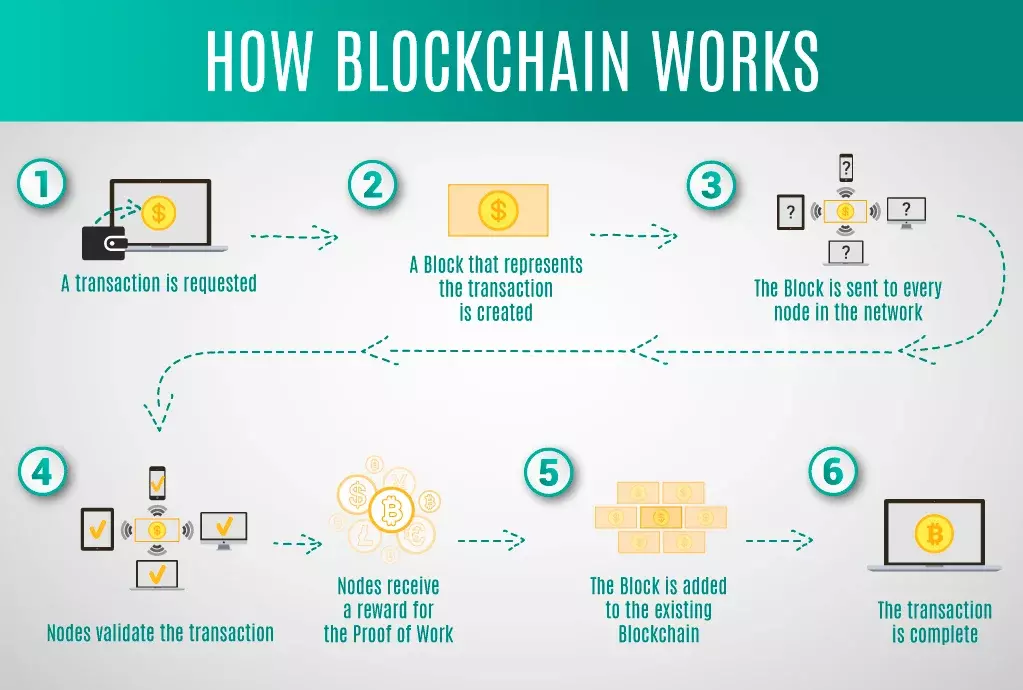
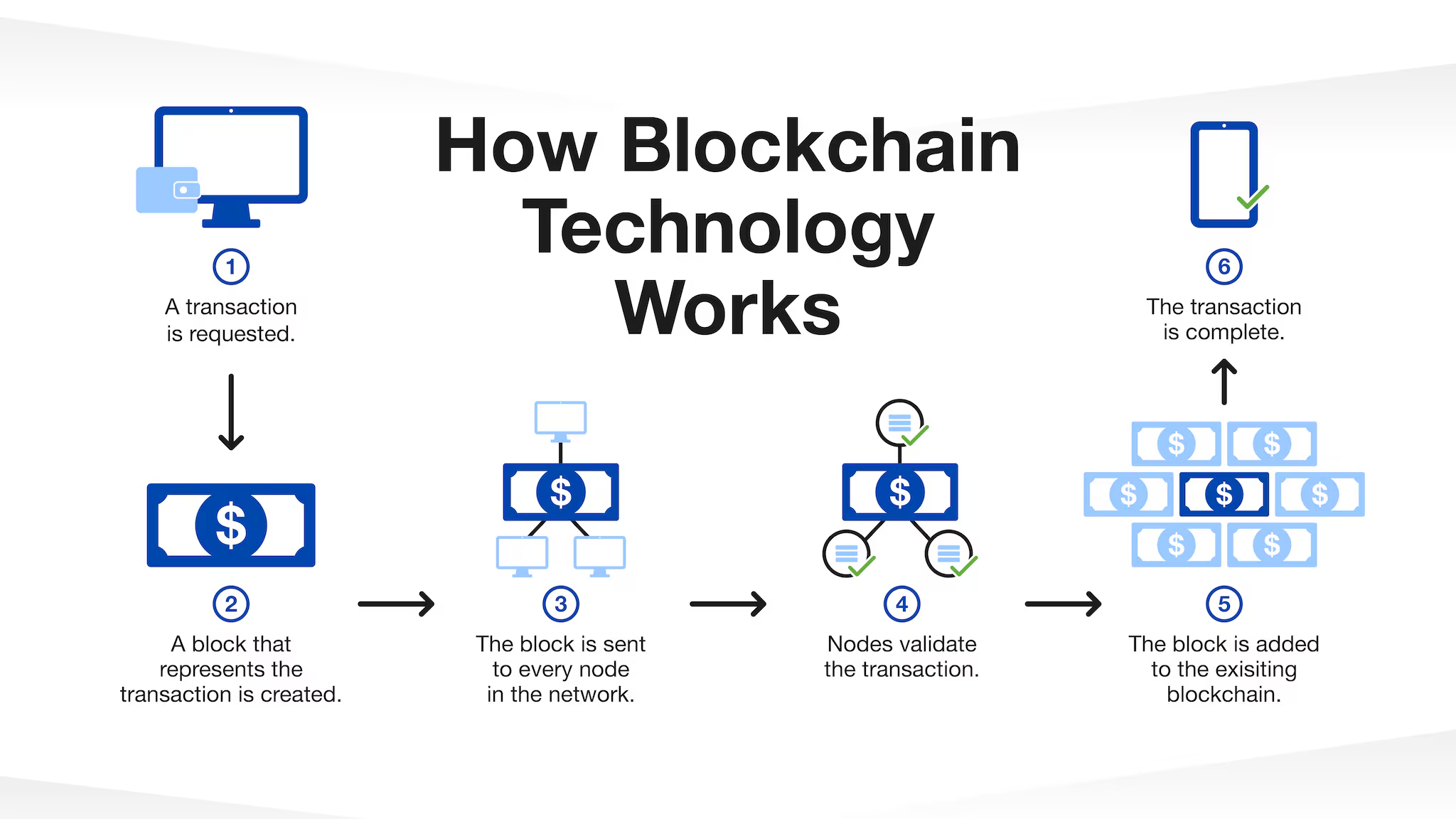
Also Check How Blockchain Works – Comprehensive Guide – 2026




Leave a Reply